Names of Sports in English for Kids
Names of Sports in English for Kids: Words and Activities links each sport to an action, object, place, or image. Start with sports your child sees at school, home, or nearby. Add unfamiliar choices after the first words are secure. Multilingual children may compare languages before recalling the English word.
Sports Words and Useful Verb Patterns
Use Names of Sports in English for Kids: Words and Activities as a menu. Begin with four sports your child can picture or act out: swimming, football, tennis, and gymnastics. The table groups names by everyday verb patterns.
These patterns are guides, not laws. A speaker may say train in boxing, take a karate class, or box. Football usually means the round-ball game outside the United States and Canada, where soccer is widely used. American football is a different sport. Specify field hockey or ice hockey when needed.
Putting the Words into Simple Sentences
Teach Names of Sports in English for Kids: Words and Activities by pairing each noun with a sentence. Instead of repeating basketball, say, I play basketball, We need a ball, and The players run across the court. Sentences show how each word behaves.
Practise four questions: What sport do you play? Which sport do you watch? Can you swim? and What sport would you like to try? Accept a one-word answer, then model a sentence such as I play cricket or I can skate.
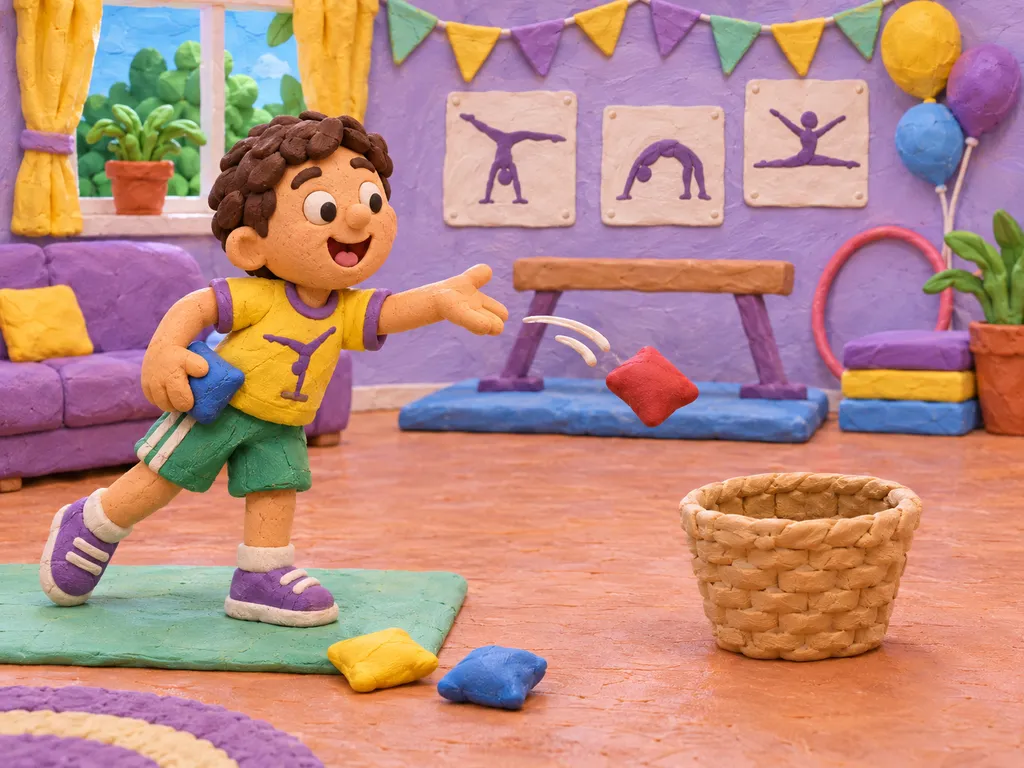
Add actions, places, and equipment after the sport names are secure. Children can throw, catch, kick, hit, run, jump, and score. They play on a court, field, or pitch; swim in a pool; or run on a track. Equipment includes a ball, racket, bat, helmet, net, and skis.
Activities for Different Ages
School-age kids: Choose a small group of familiar sports and teach them through pictures and movement. Say the word, show the action, and invite imitation. For swimming, move your arms as if swimming. For basketball, pretend to bounce and throw a ball. Ask your child to point before requesting speech. Recognition often precedes confident speaking.
School-age kids: Sort sport cards into team and individual, indoor and outdoor, or land and water groups. Overlapping answers prompt discussion. Ask, Can tennis be played indoors? or Why does swimming belong in the water group? Children can choose three sports and write one sentence about each.
School-age kids: Progress from naming to comparing and explaining. Ask which sports require a team, special equipment, or local facilities. Older learners can explain preferences with because: I prefer volleyball because I like team games. Multilingual children may compare related words, but the final description should return to English so recall does not rely on translation.
Practice Games That Build Recall
Turn Names of Sports in English for Kids: Words and Activities into short games instead of one long session. Try silent mime, picture sorting, or “odd one out”: tennis, badminton, swimming. Your child explains that swimming does not use a racket. Or build a memory chain: I can swim; I can swim and skate; I can swim, skate, and cycle.
Revisit the words on different days while changing the task. Match words and pictures one day; answer questions or describe an unnamed sport the next. In online lessons, our LearnLink tutors can reuse sport vocabulary in conversations, listening tasks, and age-suitable games. Recall across new contexts works better than repeatedly copying one list.
Three-clue Sport Challenge
Choose a sport and give three clues: its location, equipment, and one action. For example: You do it in a pool. You wear goggles. You move through water. Your child answers, It is swimming, then creates new clues.
Common Mistakes and Clear Fixes
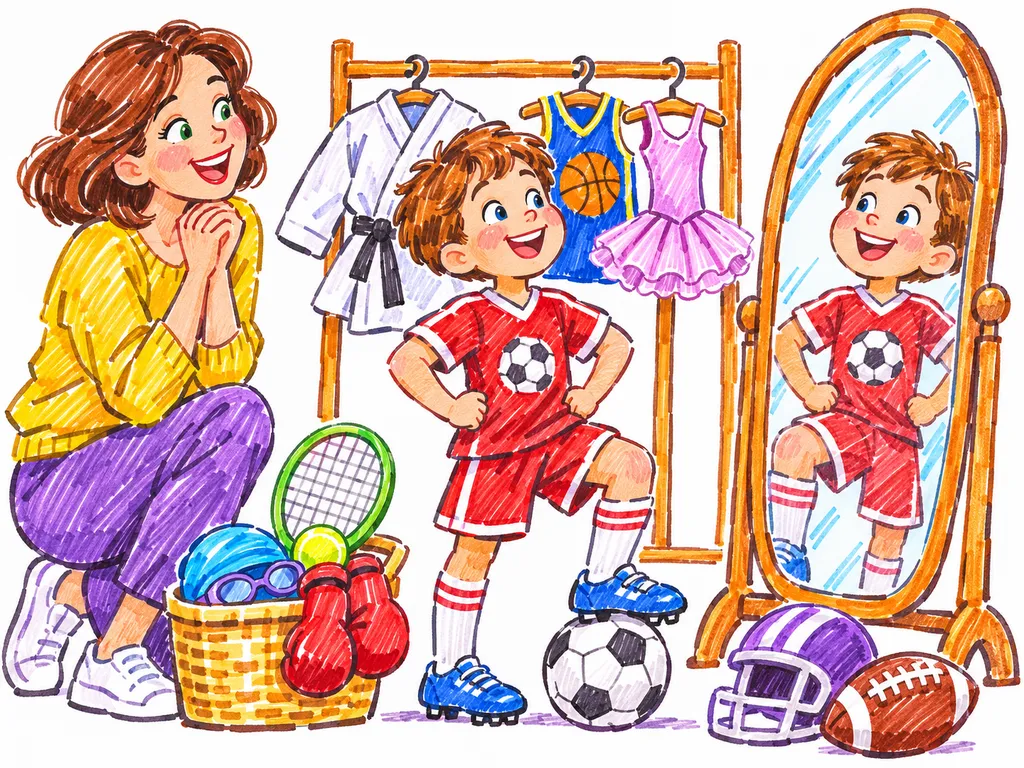
Children often confuse play, go, and do. If your child says I play swimming, recast it naturally: Yes, you go swimming. Recasting maintains the conversation while supplying the correct pattern. Practise contrasts such as play tennis and go running instead of teaching a long grammar rule.
Children may use an -ing word after can. English requires the base verb: I can swim, not I can swimming. Compare I can ski with I go skiing, and I can skate with I go skating. Paired examples teach the pattern without grammatical terminology.
Pronunciation should aid communication, not erase an accent. Say longer words slowly, stress the strongest beat, then resume normal speed: BAS-ket-ball, GYM-nas-tics, TAE-kwon-do. For a difficult word, let your child listen, clap its parts, and use it in a sentence. Correct one feature at a time to keep speaking comfortable.
- Choose five sport names and say each aloud before showing its picture.
- Match each picture to its written sport name, then check spelling together.
- Sort ten sport cards into indoor, outdoor, team, and individual groups.
- Ask your child to use three sport names in complete sentences today.
- Correct one mistake gently, then repeat the accurate word together twice.
When a word has several meanings or pronunciations, Cambridge Dictionary is a useful check before turning it into child-friendly examples.
Frequently Asked Questions
How Many Sport Words Should My Child Learn at Once?
For a younger beginner, start with a small set suited to one game. Add words after your child recognises the first set and uses part of it in short sentences. Older children may handle a larger group, but recall matters more than list length. Combine familiar sports with one or two unfamiliar choices to expand vocabulary gradually.
Should Children Learn Play, Go, and Do with Every Sport?
Yes, but teach each verb within a phrase, not as a separate rule. Names of Sports in English for Kids: Words and Activities works best when children learn play tennis, go cycling, and do gymnastics as complete chunks. Later, they can identify the pattern and apply it to new words. Stored phrases speed up speaking because children need not choose each verb from scratch.
Should My Child Say Football or Soccer?
Teach the term used at your child’s school, lessons, and community, then introduce the alternative. English speakers may use football for the round-ball game or call it soccer. Children should recognise both. American football is a separate sport, so context matters in international conversations.
What If My Child Remembers the Sport in Another Language First?
That is a normal bridge for multilingual learners. Acknowledge the known word, provide the English name, and immediately add a phrase or action: Yes, swimming. You go swimming. A picture or gesture can connect the meaning directly to English. Keep the home language available while strengthening fast retrieval of the English word.
Use this three-step plan for the next 10-minute practice session:
- Choose six sport words and review each with a picture or action.
- Ask your child to use three of the words in complete sentences.
- Finish with one two-minute mime, sorting, or clue game.
Start your child's English journey today — book a trial lesson with LearnLink.
Stay updated on our latest tips and resources by following us on Instagram LearnLink.